Ellesmere Island
Explore: North America > Canada > Nunavut
Ellesmere Island
Ellesmere Island is a natural wonder located in the Canadian Arctic Archipelago, known for its breathtakingly remote and rugged terrain. As the third-largest island in Canada and the tenth-largest in the world, it offers an unparalleled glimpse into pristine Arctic wilderness. Whether you’re a seasoned adventurer or simply captivated by the stark beauty of the north, Ellesmere Island is a destination that showcases stunning fjords, glaciers, and unique wildlife.
Location
Address: Ellesmere Island, Nunavut, Canada
Coordinates: Latitude: 80.7500° N, Longitude: 72.0000° W
Find on Google Maps: [Insert Link to Google Maps]
Nearest Town: Grise Fiord
Getting There
By Car
Due to its remote location, Ellesmere Island is not accessible by road.
By Air
The nearest airport with regular service is in Resolute Bay, Nunavut. From there, charter flights or expeditions can take you closer to Ellesmere Island.
By Boat
During the brief Arctic summer, some cruises or expeditions offer access via the Arctic Ocean.
Know Before You Go
Best Time to Visit
Late spring to early summer (May to July) offers the best conditions for exploring the island, including near-constant daylight.
Entrance Fees
Permits and fees vary based on activities like camping, hiking, or research.
Permits
Visitors typically need permits from Parks Canada, especially if entering Quttinirpaaq National Park.
Safety Tips
Be prepared for extreme cold, unpredictable weather, and encounters with Arctic wildlife, including polar bears. Always travel with an experienced guide.
Special Notes
Accessibility is extremely limited, and trips require extensive planning and preparation.
Attractions
Quttinirpaaq National Park
The second northernmost park in the world, featuring glaciers, fjords, and historic sites from early Arctic exploration.
Eureka Weather Station
A research station providing insights into Arctic meteorology and climatology.
Ward Hunt Island
A launching point for expeditions to the North Pole.
Gear Up for Ellesmere Island
Backpack
A durable, waterproof pack is essential.
Footwear
Insulated, waterproof boots suitable for icy and rocky terrain.
Water Filtration System
Necessary for drinking water in the wilderness. We use Sawyer and have always had good luck in the past. Investigate Sawyer at Quest Outdoors.
Clothing
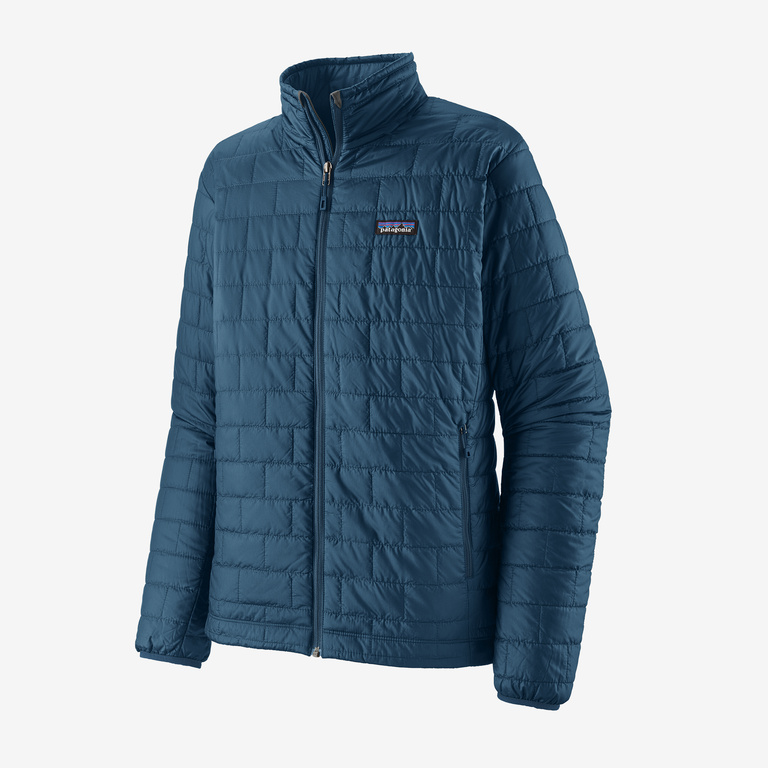
Layered Arctic wear, including windproof outer shells and insulated base layers.
Sun Protection
Arctic glare makes sunscreen, sunglasses, and a wide-brimmed hat essential.
Shop Outdoor Gear Here
Wildlife and Flora
Common Animals
Polar bears, Arctic foxes, muskoxen, and Arctic hares.
Plants
Sparse vegetation, including Arctic willows, lichens, and mosses, adapted to the harsh environment.
Nearby Strange Places
Grise Fiord
Canada’s northernmost community, offering insights into Inuit culture and Arctic living (approximately 800 km south).
Alert, Nunavut
The northernmost permanently inhabited place on Earth, primarily a military and research station.
Gallery
[Image 1: Majestic Glacier in Quttinirpaaq National Park]
[Image 2: Muskoxen grazing in the tundra]
[Image 3: Stunning Arctic fjord under midnight sun]
Leave No Trace
Help preserve the beauty and mystery of Ellesmere Island by following Leave No Trace principles:
- Pack out all trash.
- Avoid disturbing wildlife or relics.
- Stay on designated paths.
Other Resources
Visitor Guide: [Download link for guidebooks or maps]
Official Website: Quttinirpaaq National Park – Parks Canada
Arctic Kingdom’s Travel Guide to Ellesmere Island: This guide provides insights into the island’s geography, wildlife, and travel tips, including details about Quttinirpaaq National Park and the unique ecosystems of Ellesmere Island.
Quark Expeditions’ Ellesmere Island Tour Planning: Guidance on planning a tour to Ellesmere Island, covering aspects such as the island’s remoteness, wildlife, and the experiences offered during their expeditions.
Expedition Cruise’s Tourist Guide to Ellesmere Island: This guide discusses the best times to visit, wildlife encounters, and historical context, providing a well-rounded overview for potential visitors.